 01
01
Make bread that holds its shape
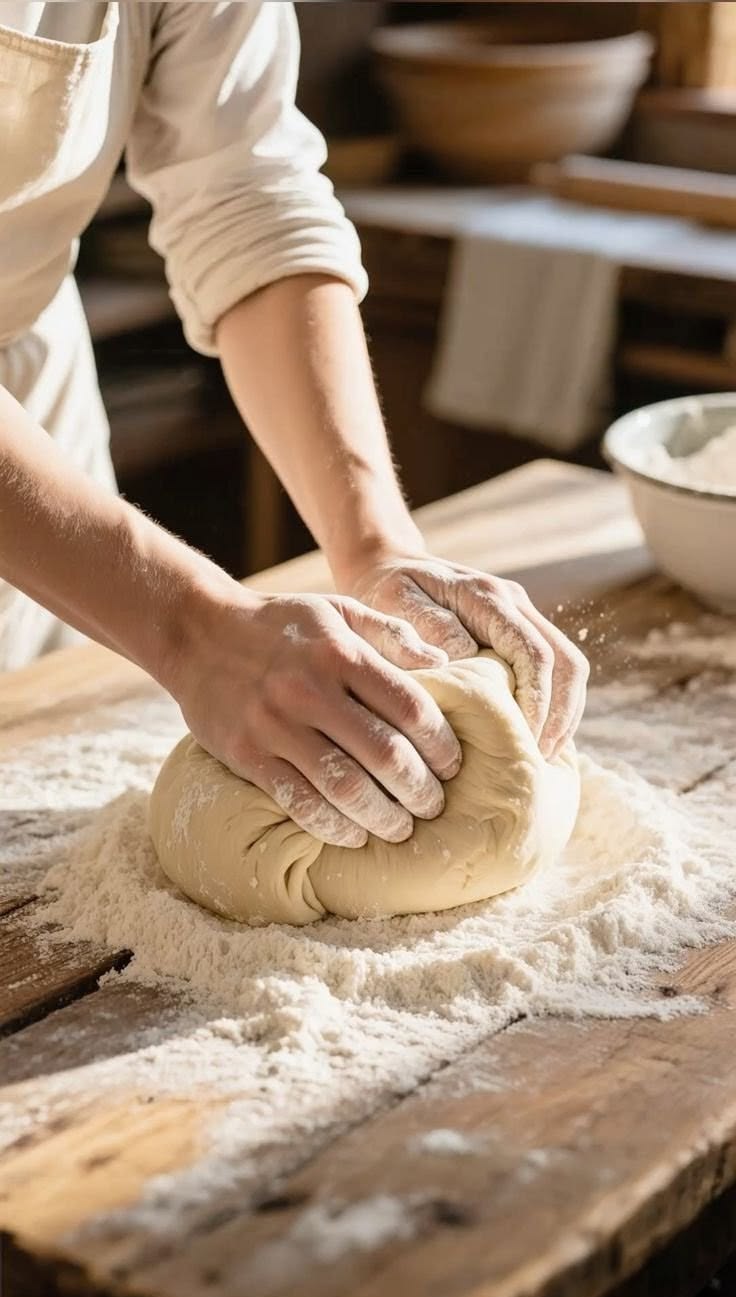
Learn how tension, sealing and hand position affect bagels and soft bread.
Kuala Lumpur · 2-Month Bakery Weekend Course
Make 6 types of bread. Learn what to do when the dough changes.
Start with the basics. Over eight weekends, you will make bagels, focaccia, pizza, Japanese soft bread, croissants and sourdough. Siew Wei will show you what to look for while the dough is still in your hands.
Choose a RM300 non-refundable booking deposit or pay the RM3,599 full course fee through JWC's official DOKU pages.
Know what to look for. Know what to do next.
01
Learn how tension, sealing and hand position affect bagels and soft bread.
 02
02
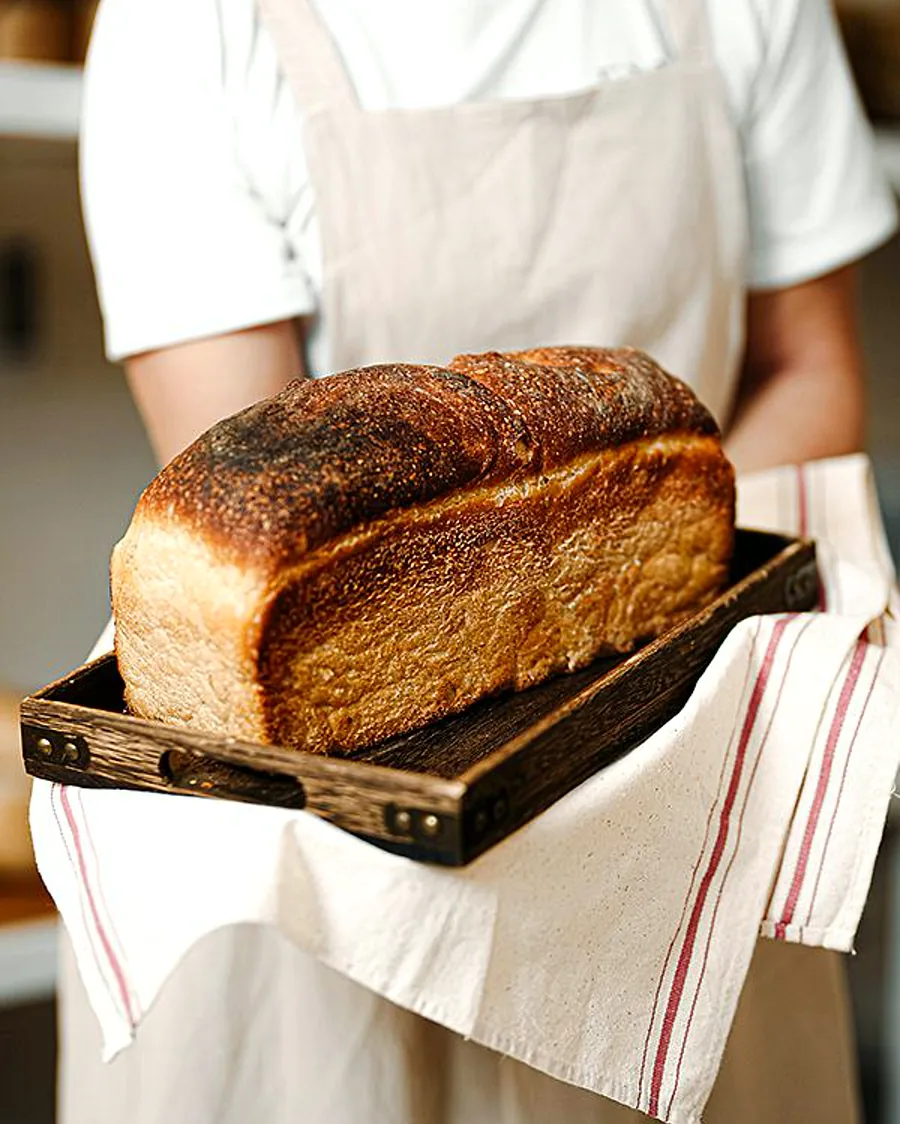
Use touch and visible changes to decide when to mix, rest, shape or bake.
 03
03
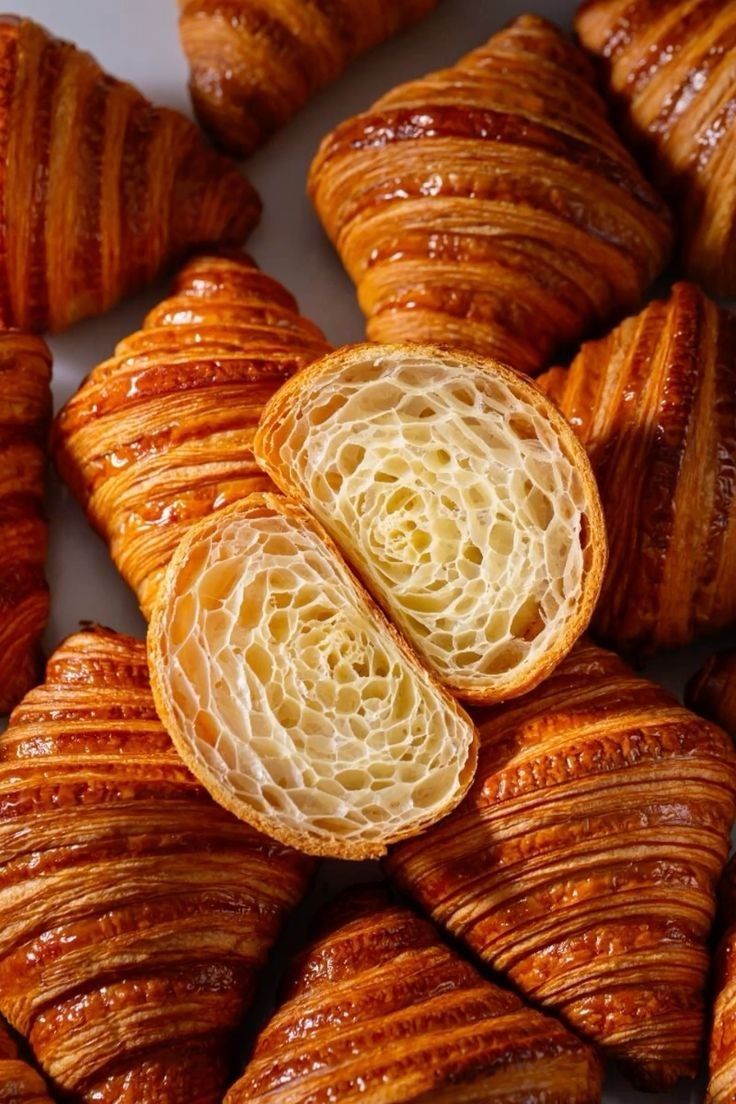
Control the dough, butter and temperature to get the texture you want.
 04
04
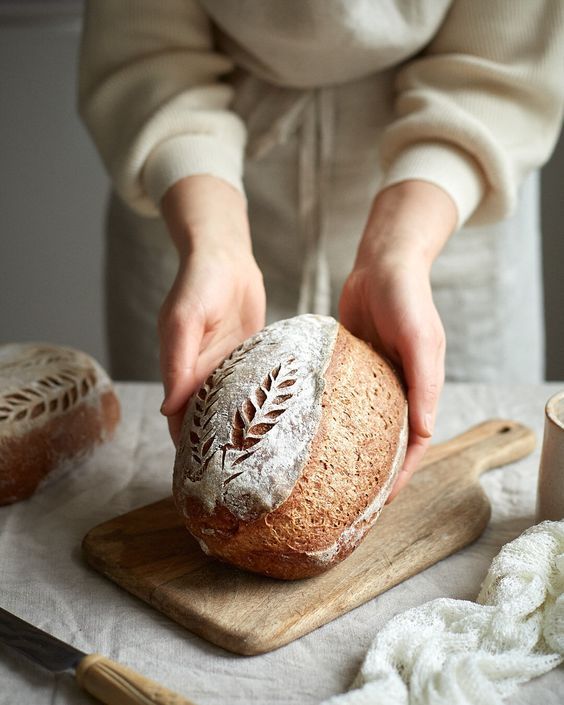
Look at the crust, crumb and fermentation. Then fix the right step next time.
02 · How the class works
Siew Wei shows the key technique first. Then you practise it on your own dough. If something is off, she helps you correct it at the workbench.
 01
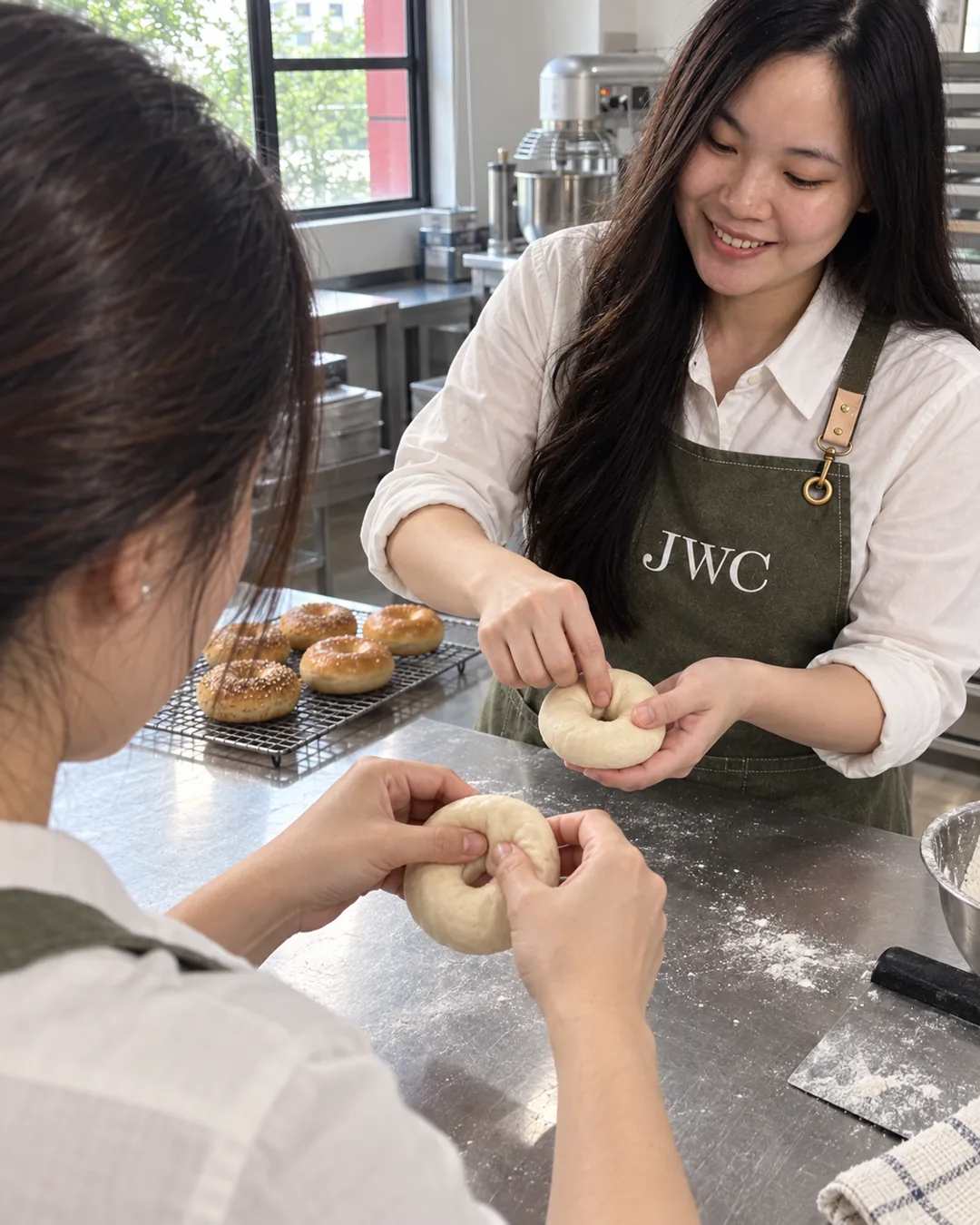
01Siew Wei shows the movement and the signs that tell you it is right.
 02
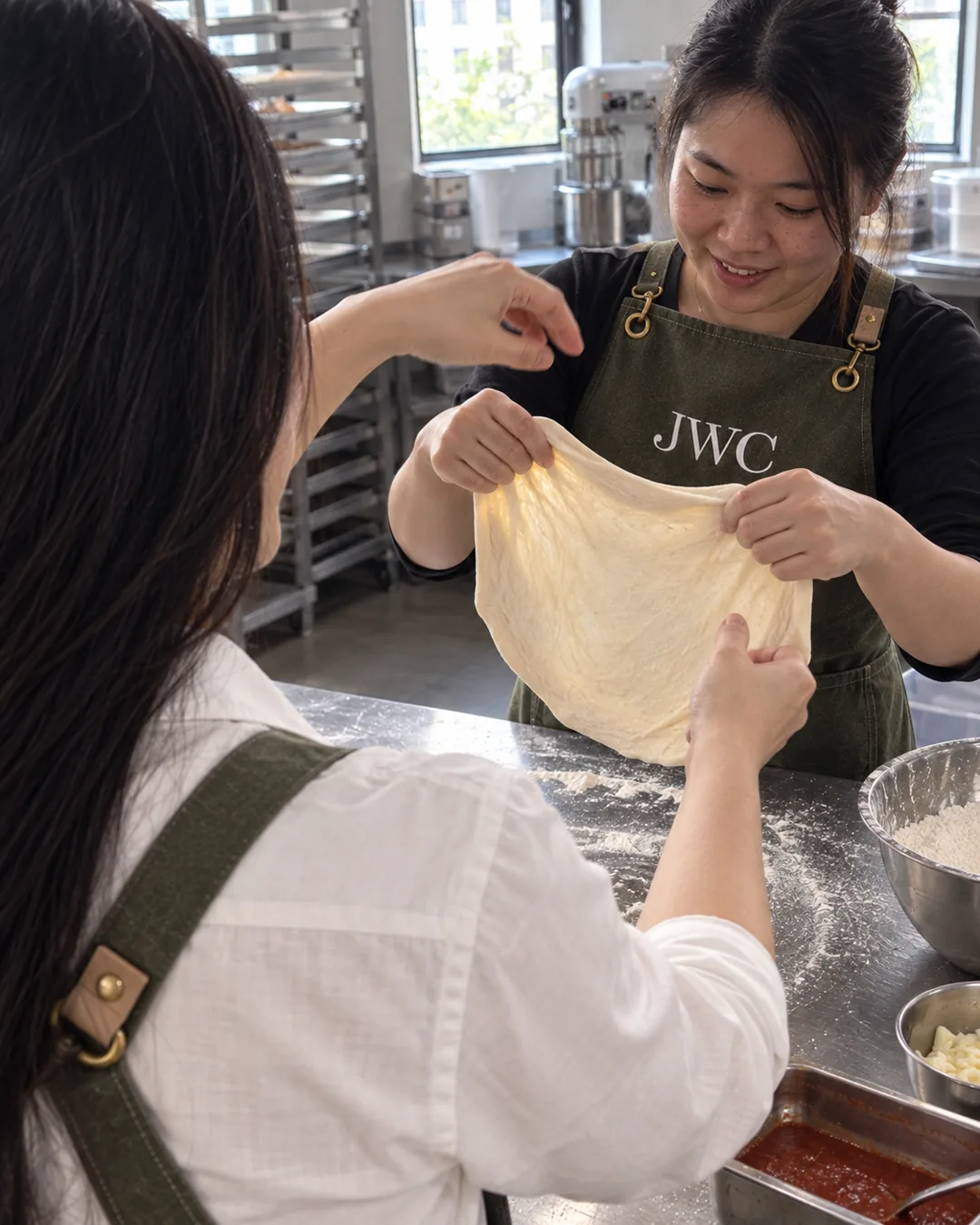
02You mix, handle and shape your own dough. Materials and equipment are provided.
 03
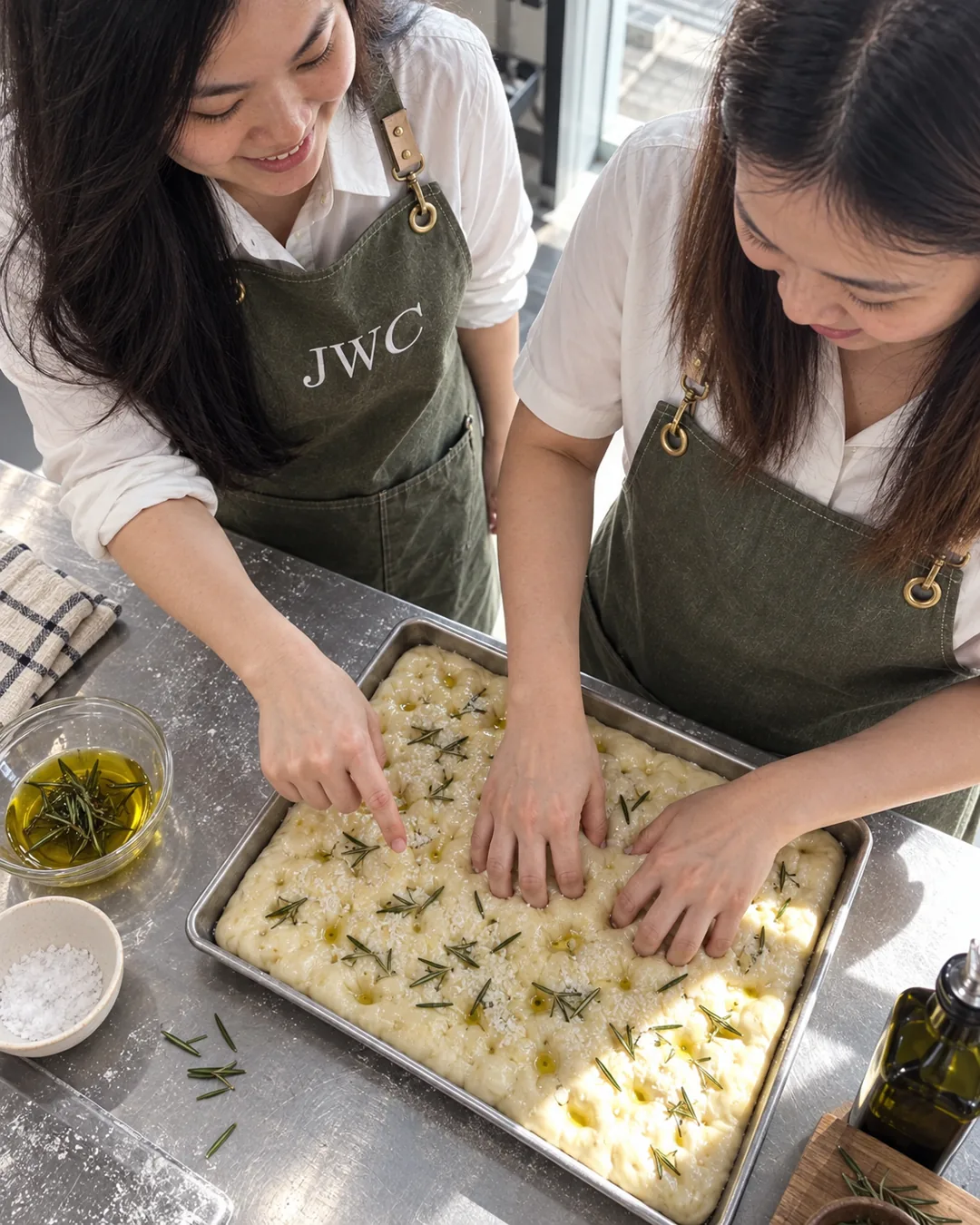
03Check the dough with Siew Wei while there is still time to adjust it.
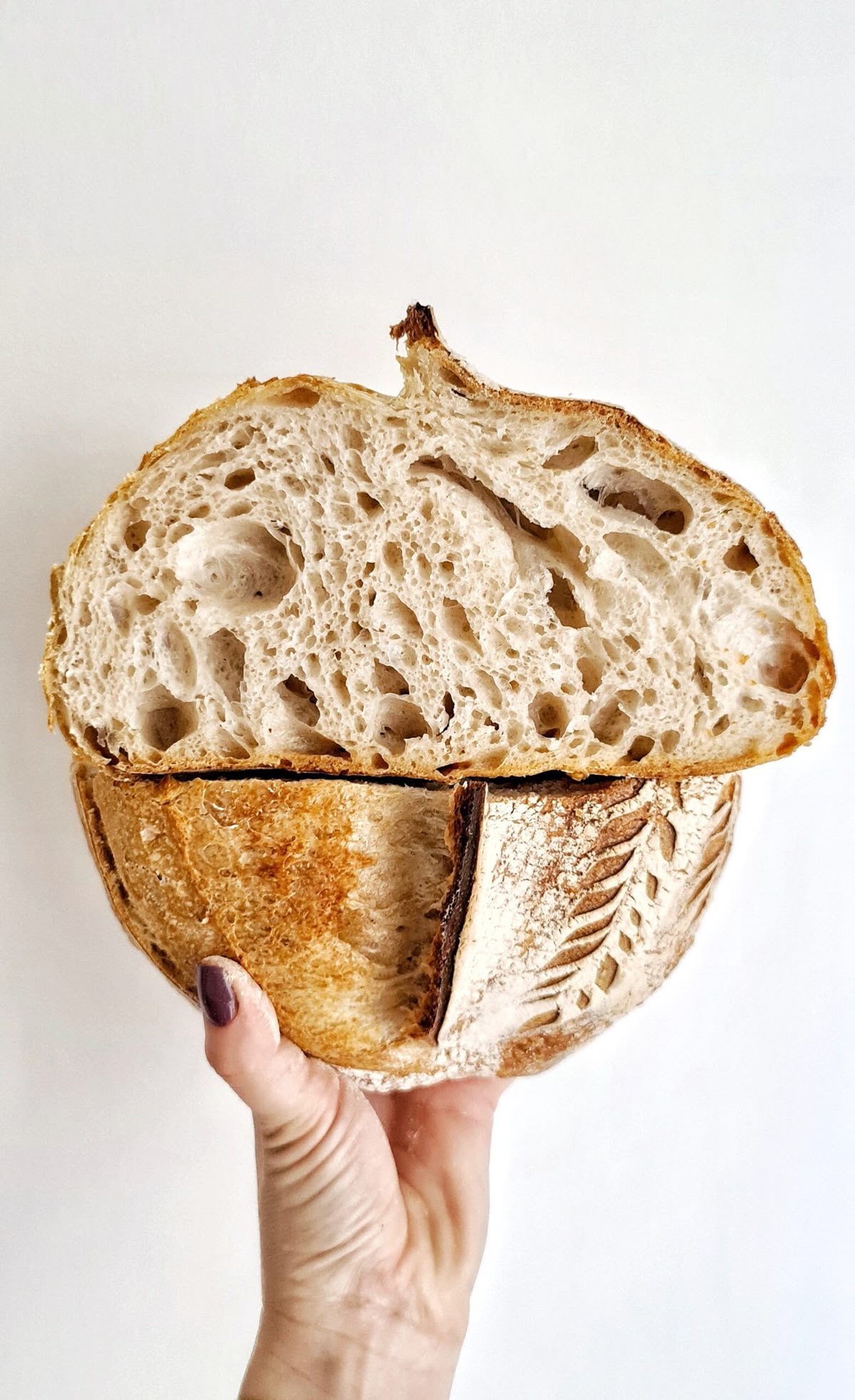 04
04Use the crust, crumb and shape to see what worked and what needs to change.
Why eight consecutive lessons?
You will make six types of bread. Along the way, you will learn how to tell when the dough is mixed, fermented, shaped and ready to bake.
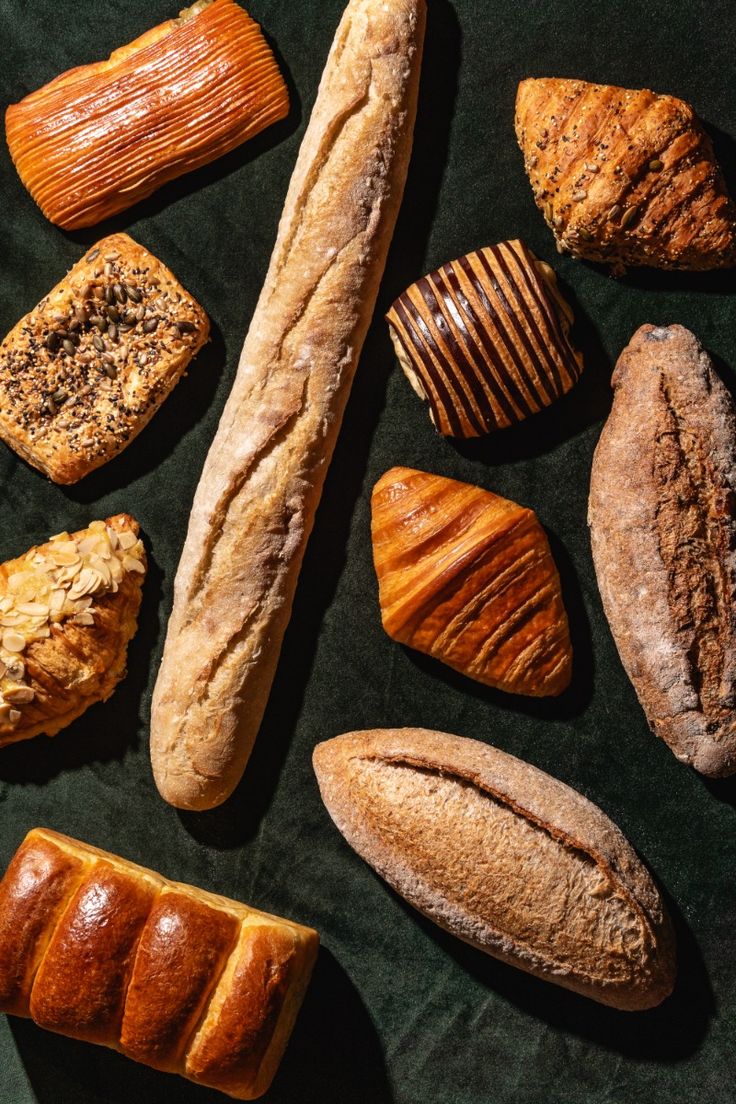
Start with bagels and focaccia. Finish with croissants and sourdough.
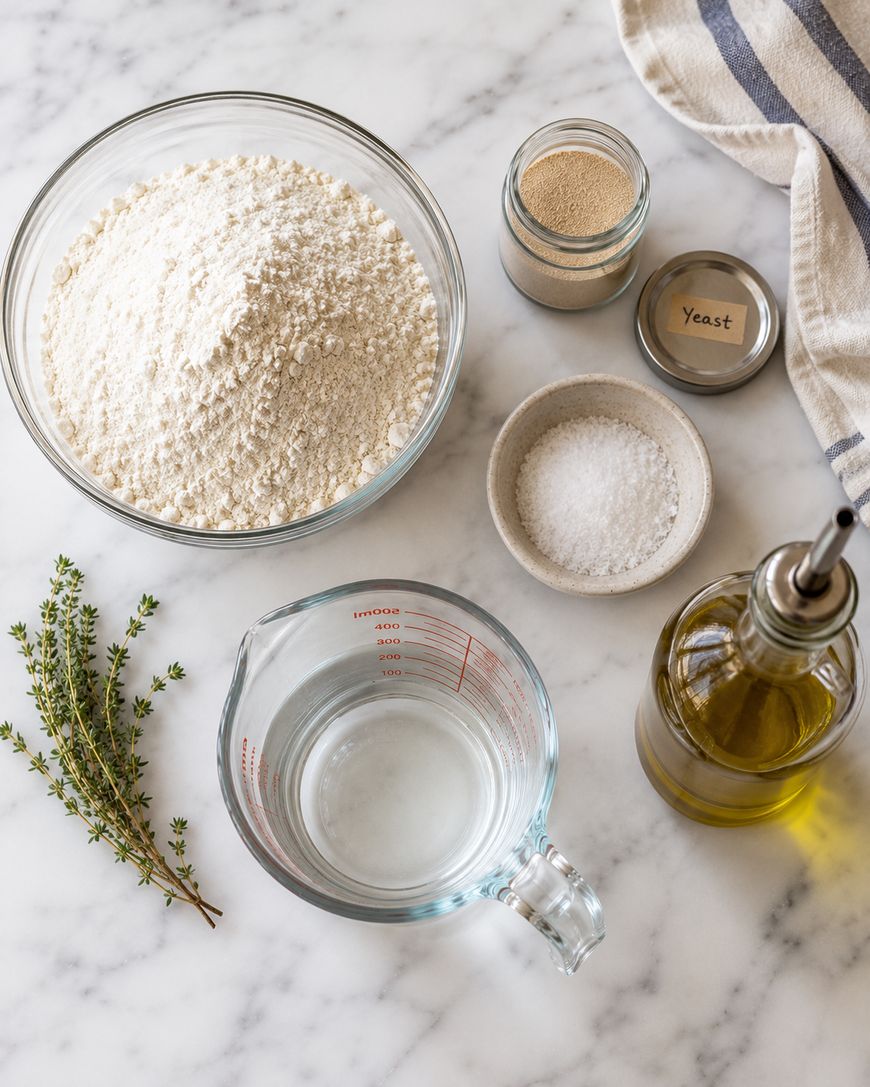
Learn to read touch, temperature, air and surface changes instead of memorising every answer.
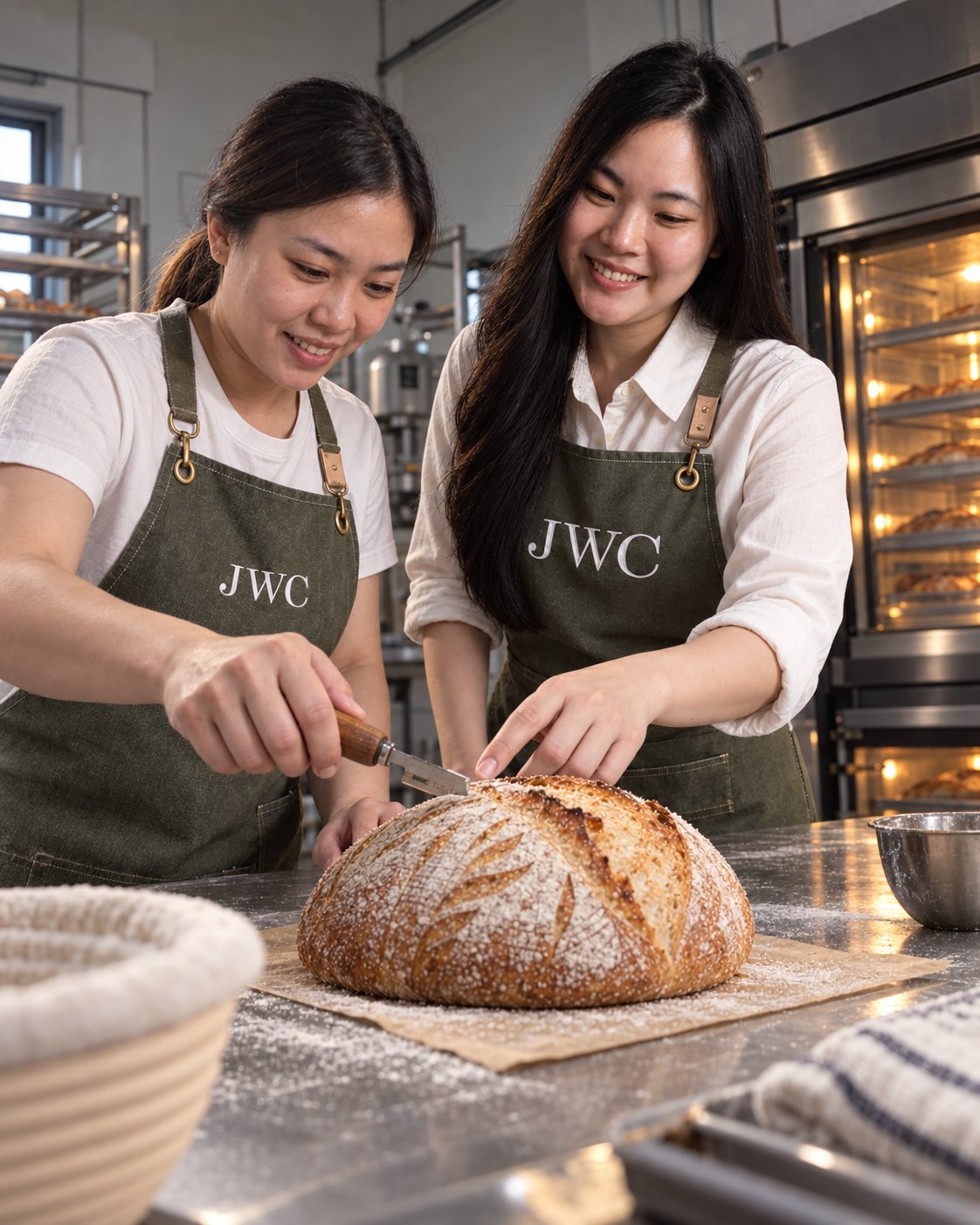
Siew Wei corrects your hand position, pressure and timing while you work.
2 months · 8 lessons · 4 stages
Start with bagels, focaccia and pizza. Then move into soft bread, croissants and sourdough. Each lesson gives you a finished result and one skill to use again.
Swipe to explore all 8 lessons →
 01
01
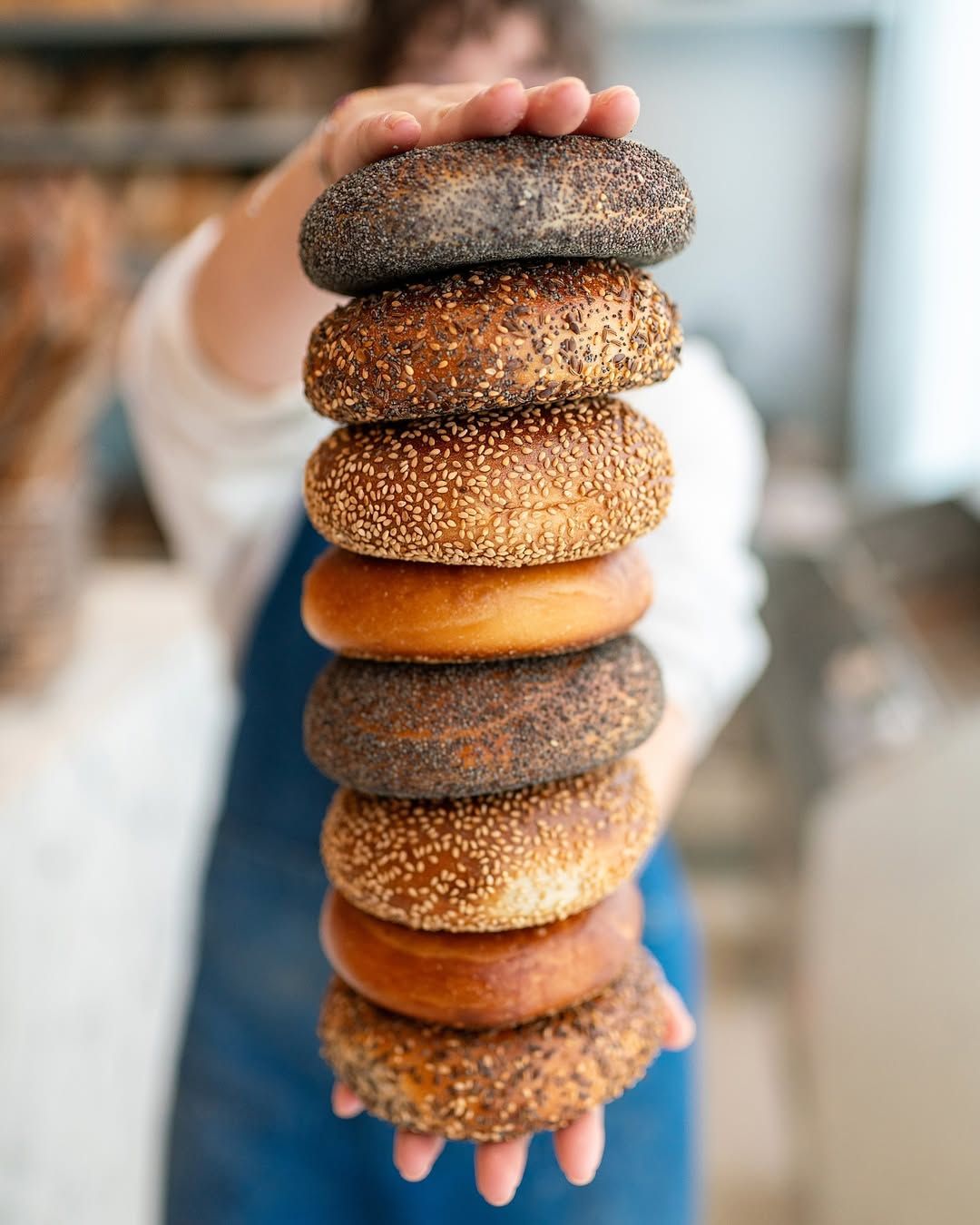
Lesson 1
Learn dough theory, mixing and the process for classic plain bagels.
What you will learn and practise
Your practical takeaway
Finish chewy, well-shaped bagels and repeat the full process from mixing to boiling and baking.
 02
02
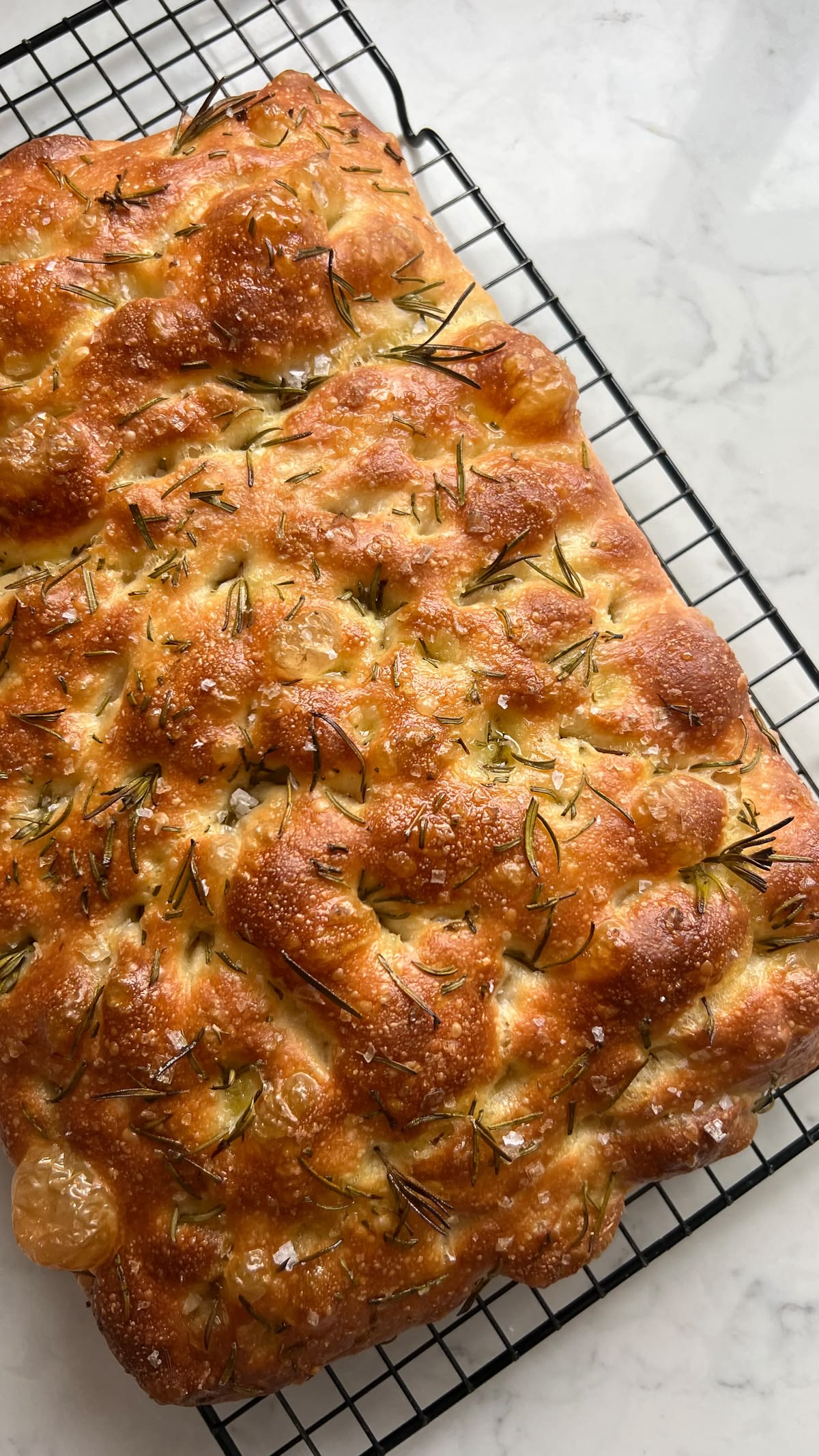
Lesson 2
Understand fermentation, hydration and how they influence rosemary focaccia.
What you will learn and practise
Your practical takeaway
Finish rosemary focaccia and recognise how hydration and fermentation change volume and crumb.
 03
03
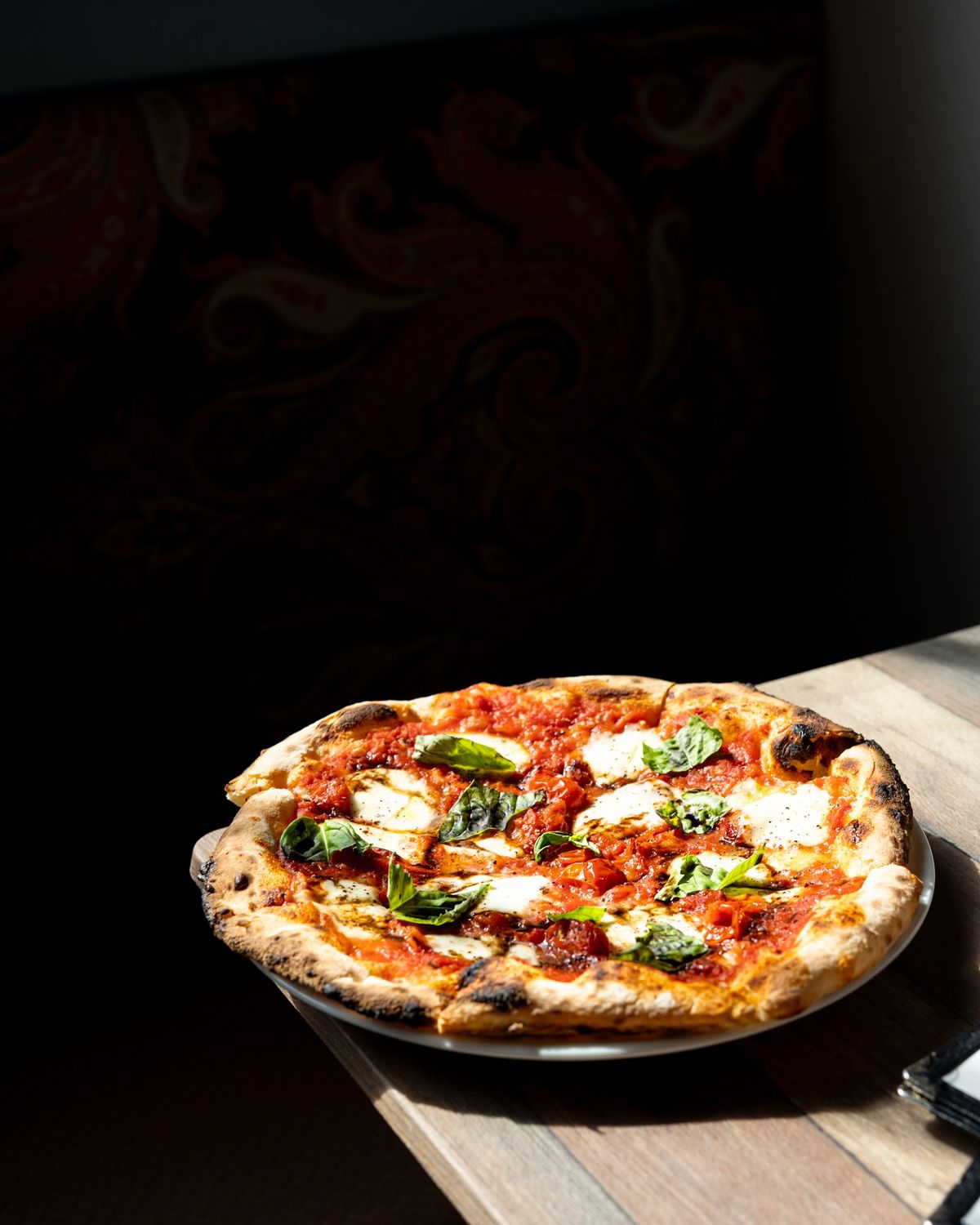
Lesson 3
Practise shaping and baking Margherita and four-cheese pizza with a repeatable workflow.
What you will learn and practise
Your practical takeaway
Finish Margherita and four-cheese pizzas with a repeatable shaping and baking workflow.
 04
04
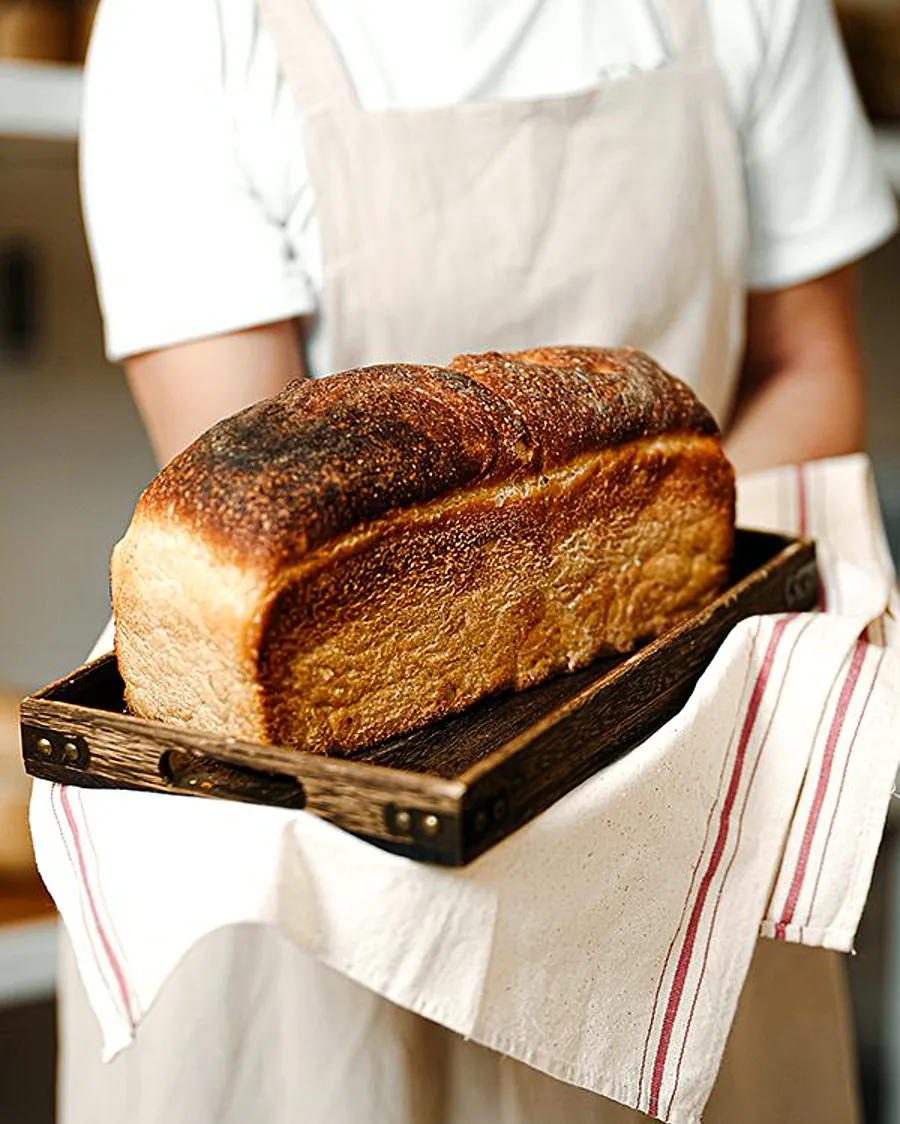
Lesson 4
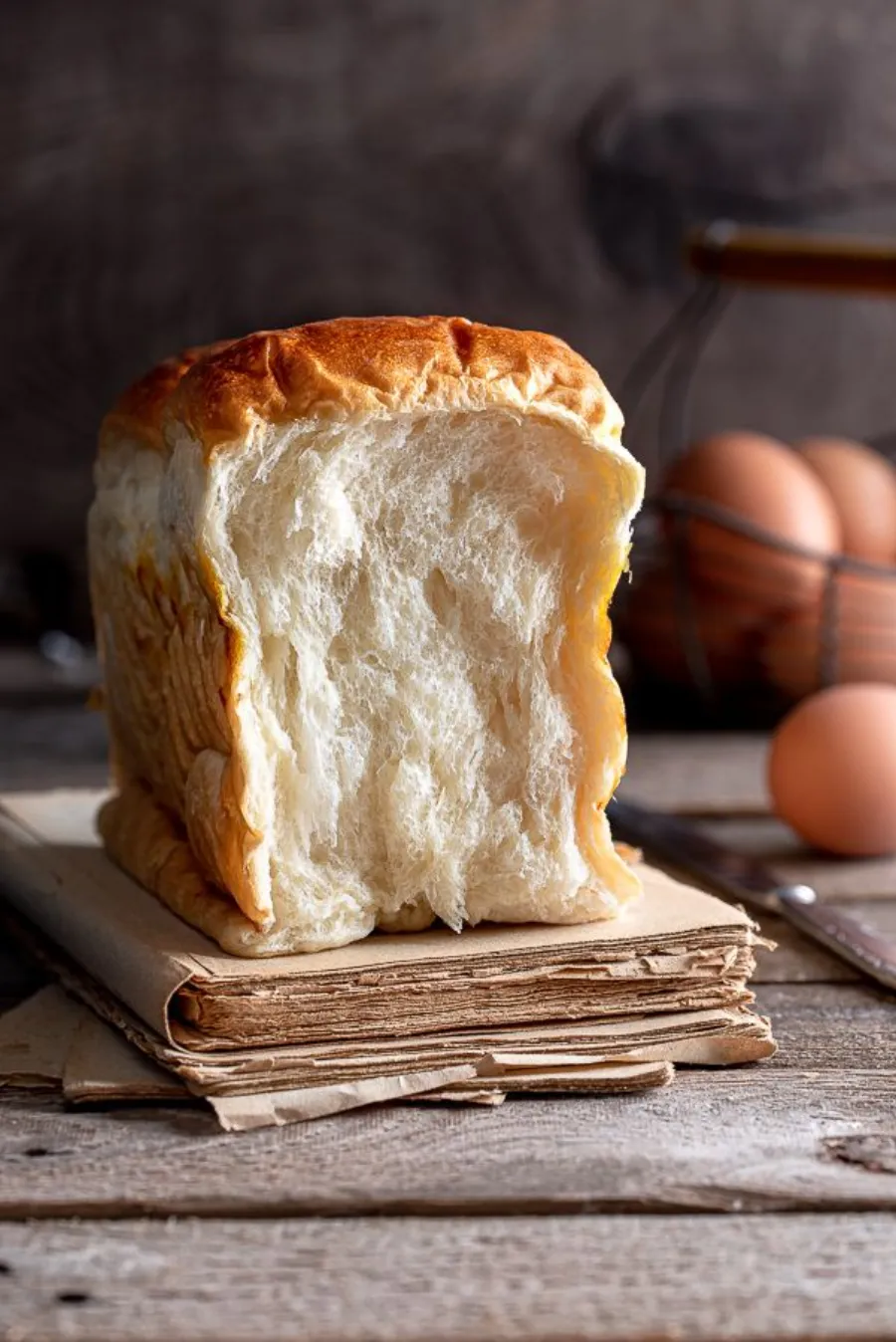
Use Yudane or Tangzhong to understand softness and moisture in milk bread.
What you will learn and practise
Your practical takeaway
Finish soft, moist milk bread and understand how Yudane or Tangzhong creates that texture.
 05
05
Lesson 5
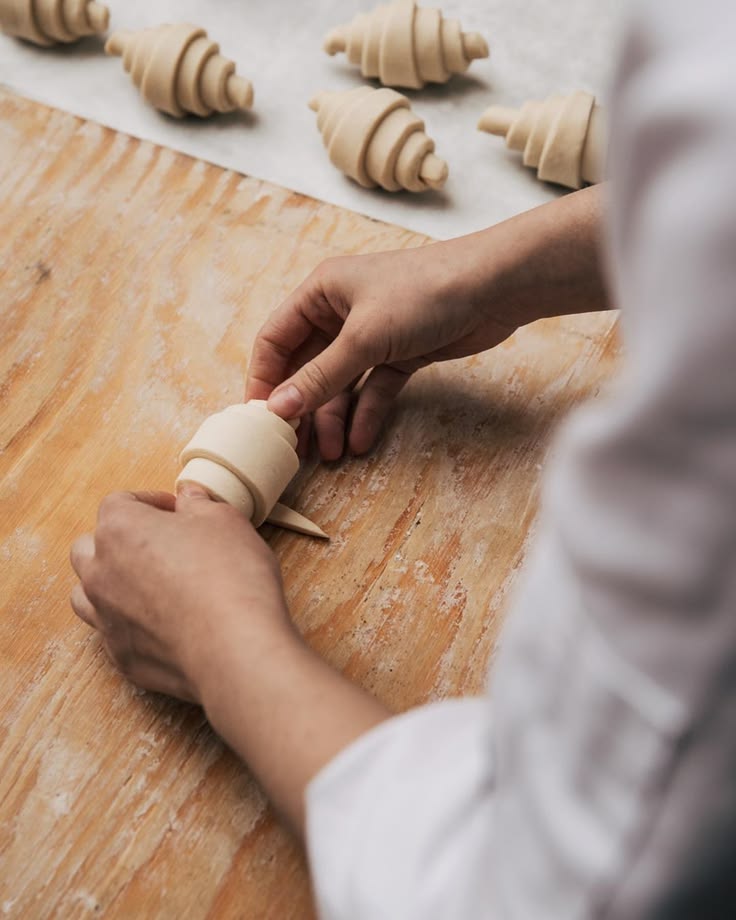
Practise fillings, wrapping and decoration across sweet and savoury soft breads.
What you will learn and practise
Your practical takeaway
Finish sweet and savoury filled breads with neater sealing, shaping and decoration.
 06
06
Lesson 6
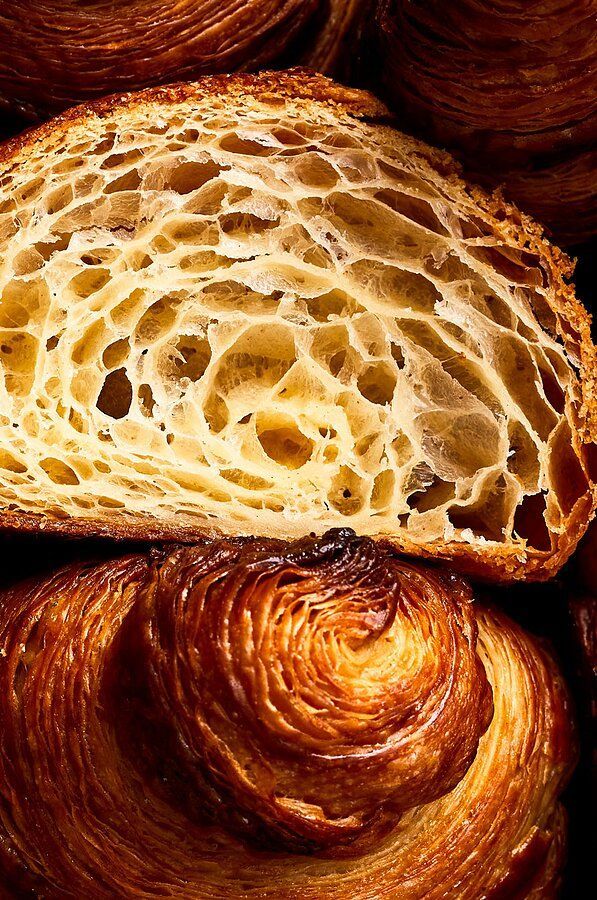
Prepare ingredients, dough and butter with the temperature awareness lamination requires.
What you will learn and practise
Your practical takeaway
Prepare dough and a butter block at the right condition for clean, controlled lamination.
 07
07
Lesson 7
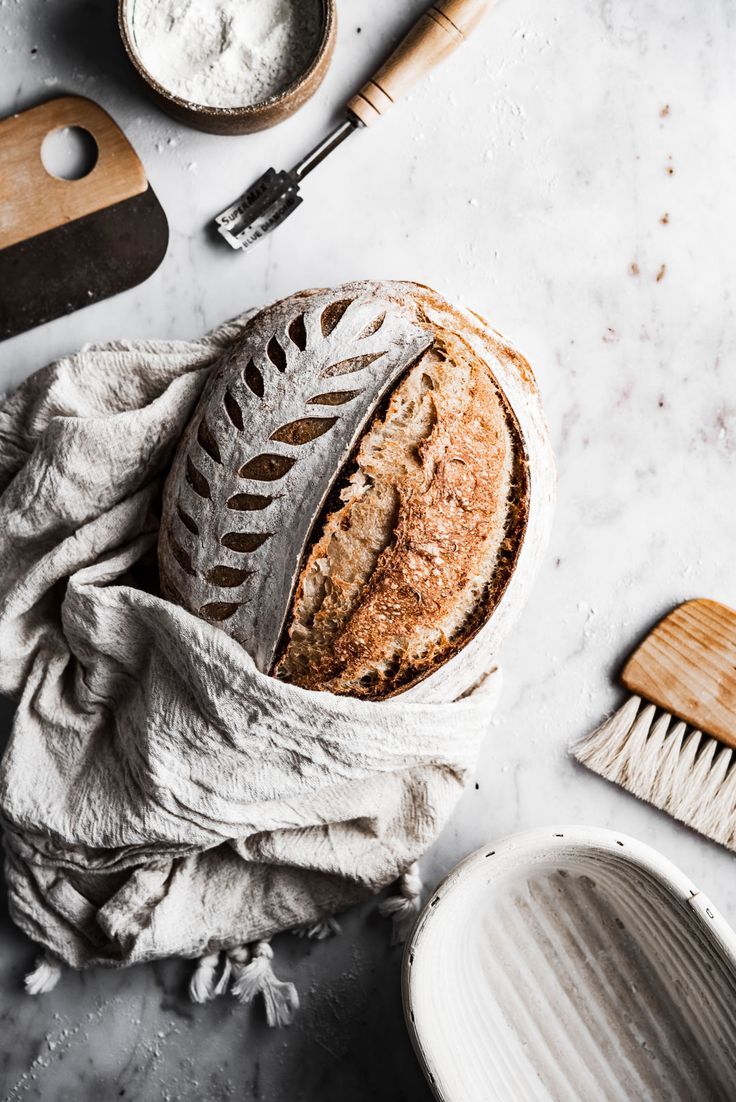
Turn prepared dough into croissants and pain au chocolat with defined layers.
What you will learn and practise
Your practical takeaway
Finish croissants and pain au chocolat with defined layers—and know which temperature decisions created them.
 08
08
Lesson 8
Bring starter, fermentation, shaping, scoring and baking decisions into one final loaf.
What you will learn and practise
Your practical takeaway
Finish a sourdough loaf and explain the fermentation, shaping, scoring and baking decisions behind it.
After the 8-Lesson Path
The dough may not rise. It may overproof, lose its shape or bake without clear layers. You will know which part of the process to check first.
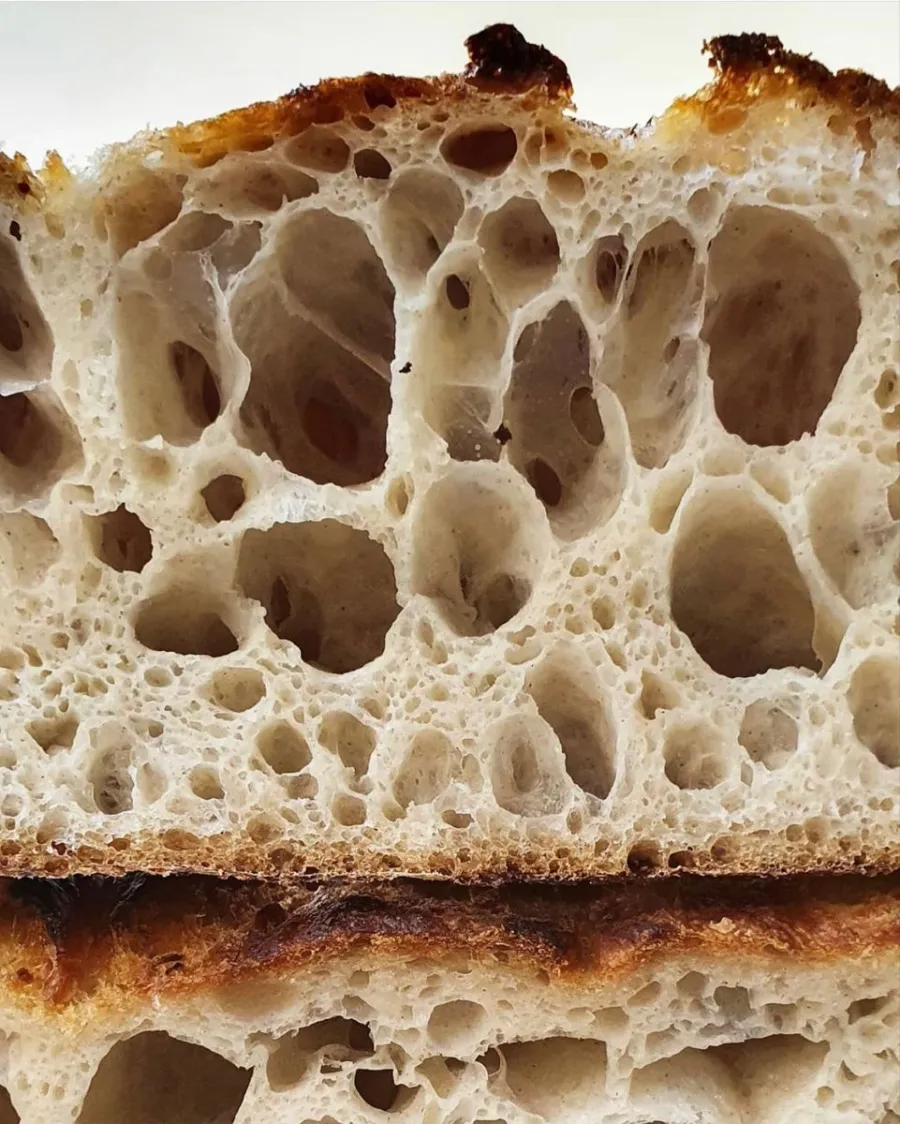 Read the dough
Use structure, resistance and fermentation cues to choose the next step with a reason.
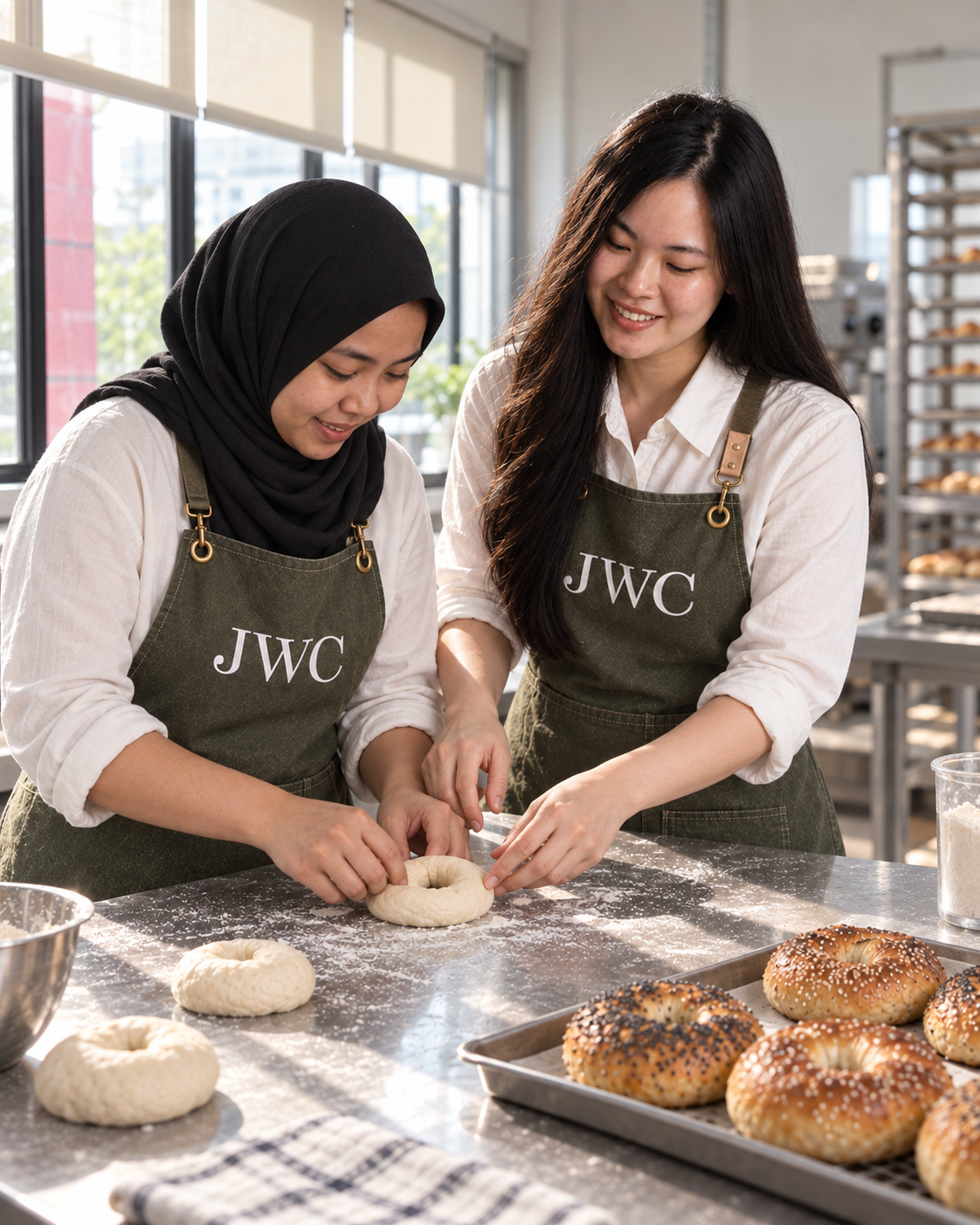 Real-time feedback
Connect what you see in the finished bread to mixing, fermentation, shaping and temperature.
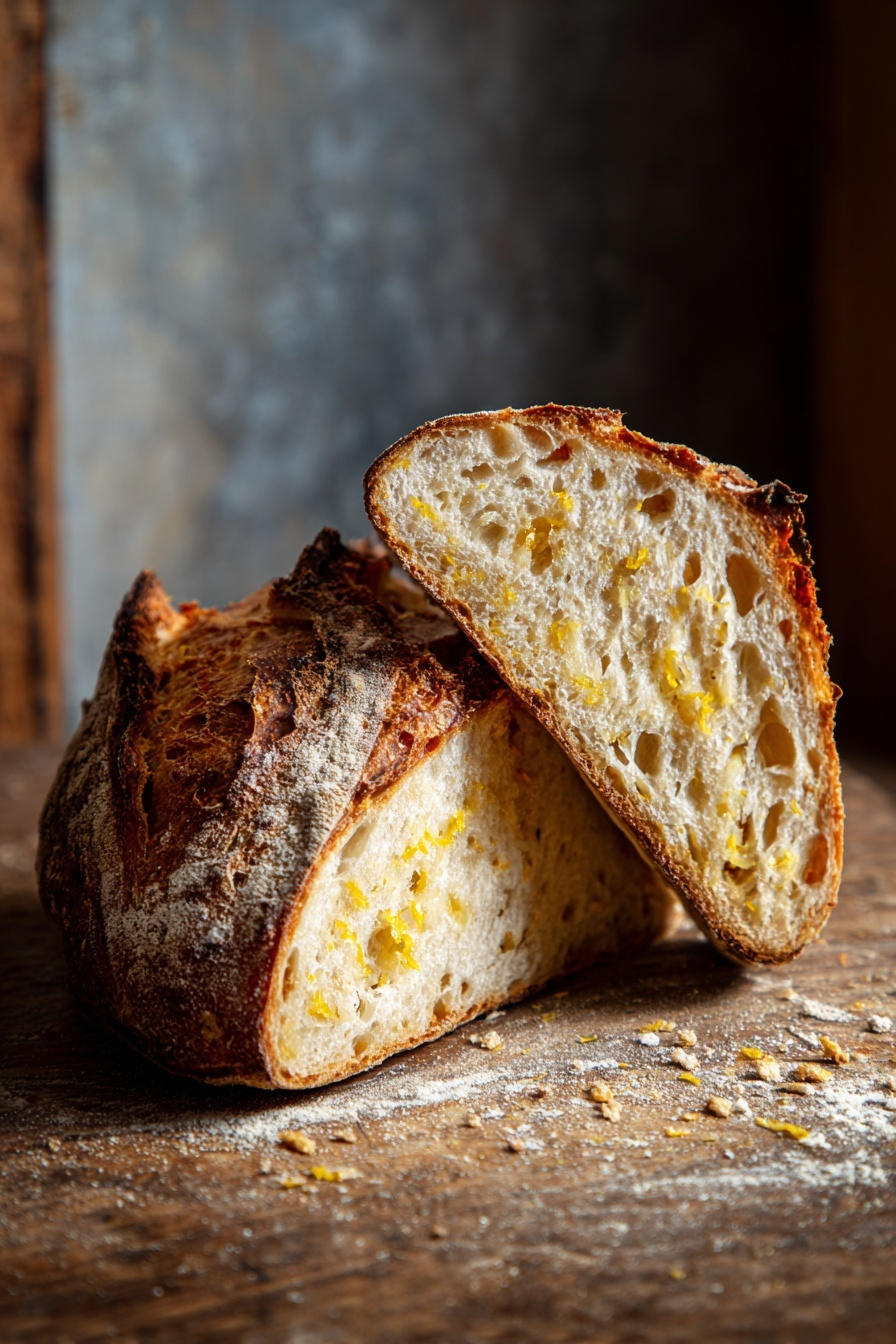 Connected path
Carry the same observation process from bagels and soft bread into croissants, sourdough and future recipes.

Your BWC Instructor
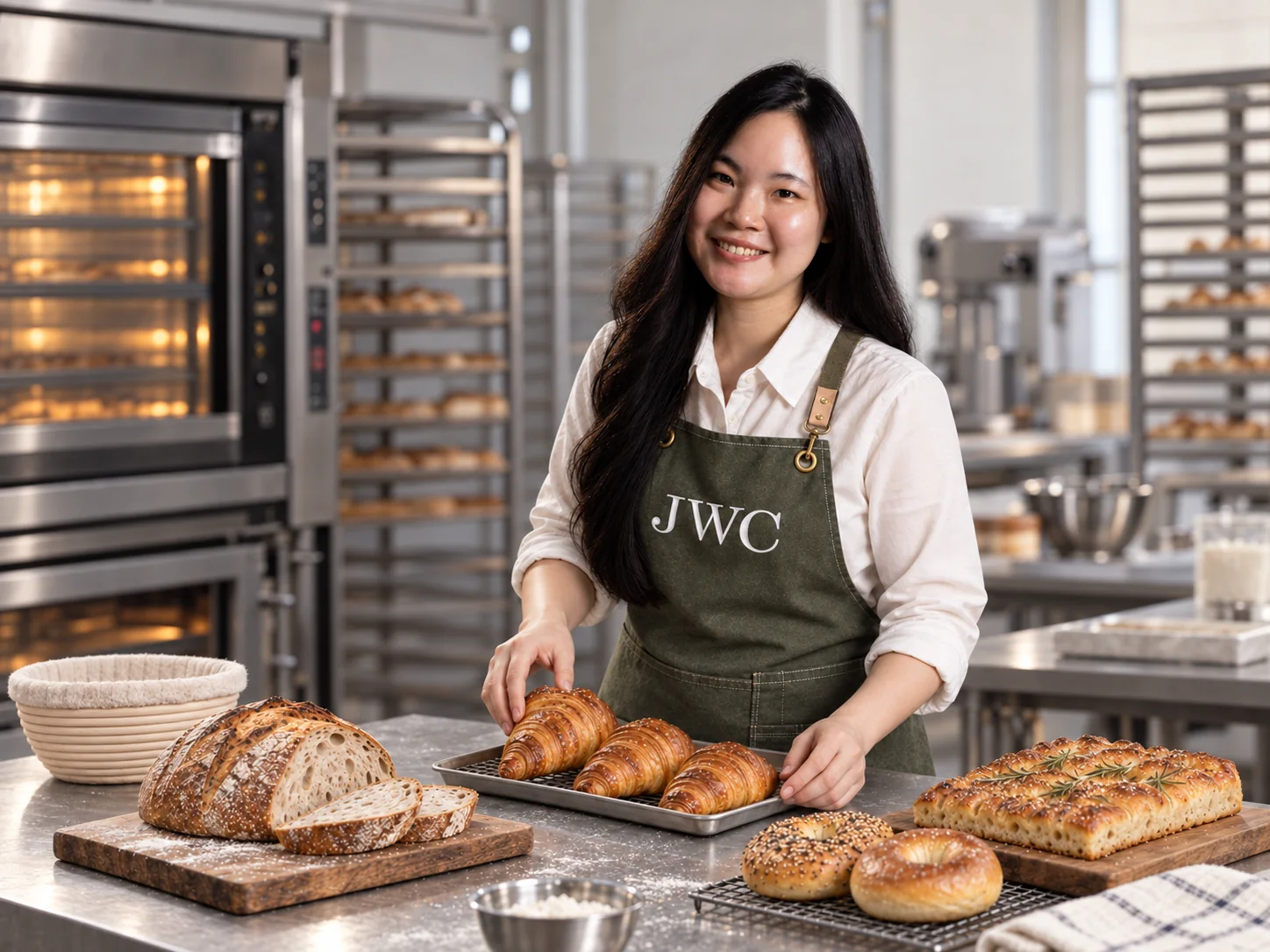
Siew Wei does more than demonstrate. She watches your dough and the way you handle it. When something is off, she helps you fix it before it becomes the final result.
Official class and student-work records
These photos show real BWC learners, classroom practice and finished bread at JWC Academy.
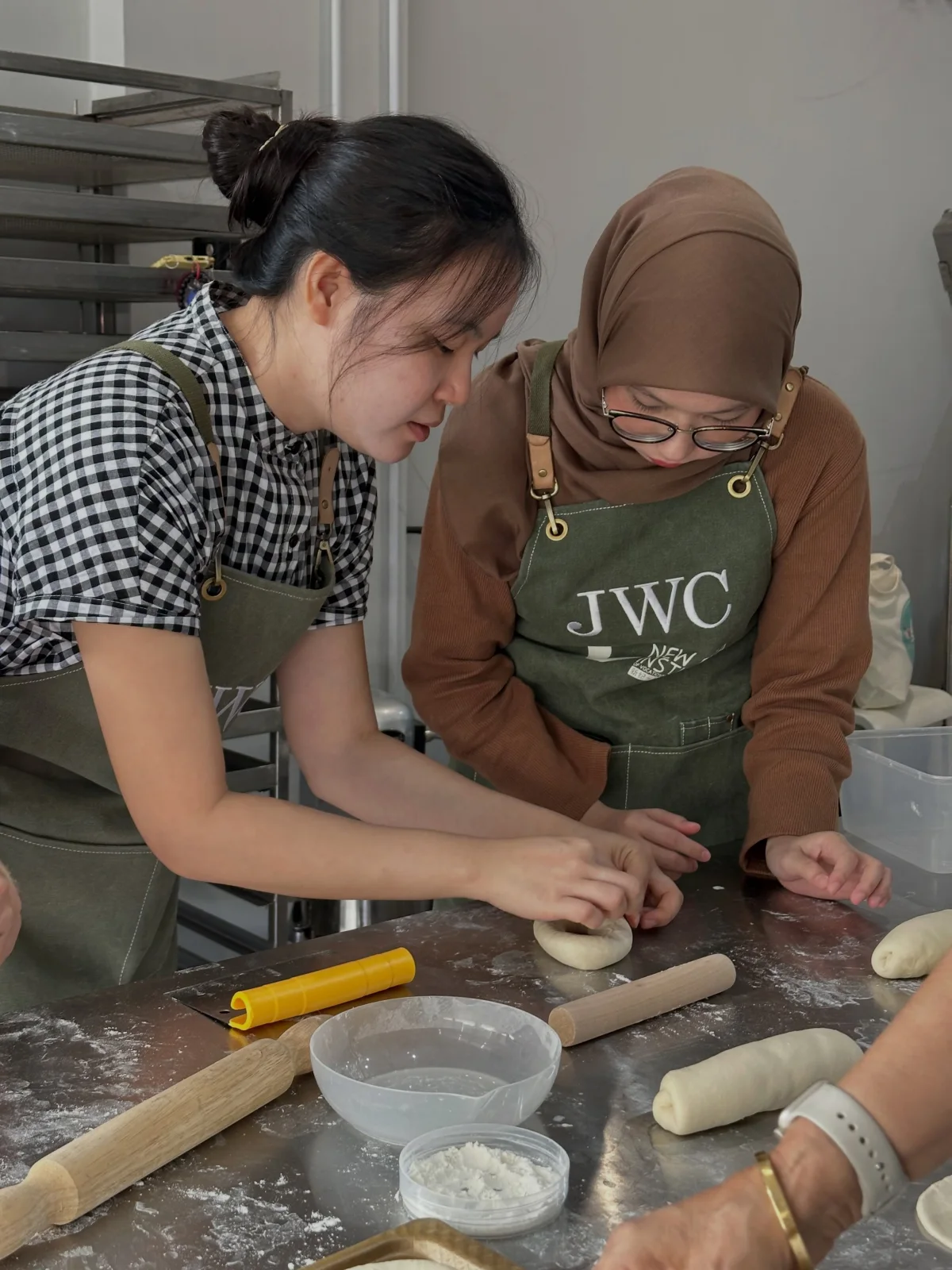
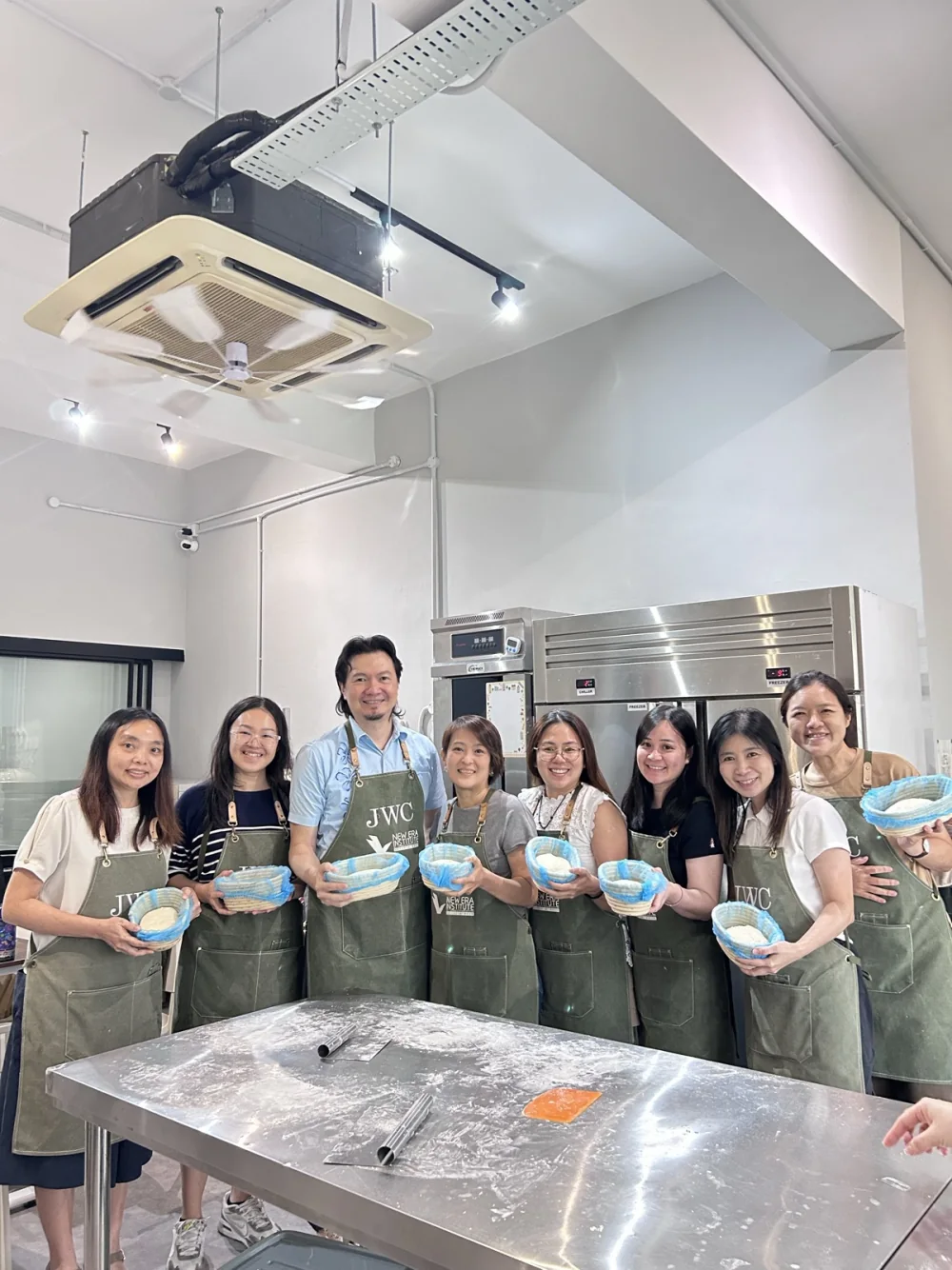
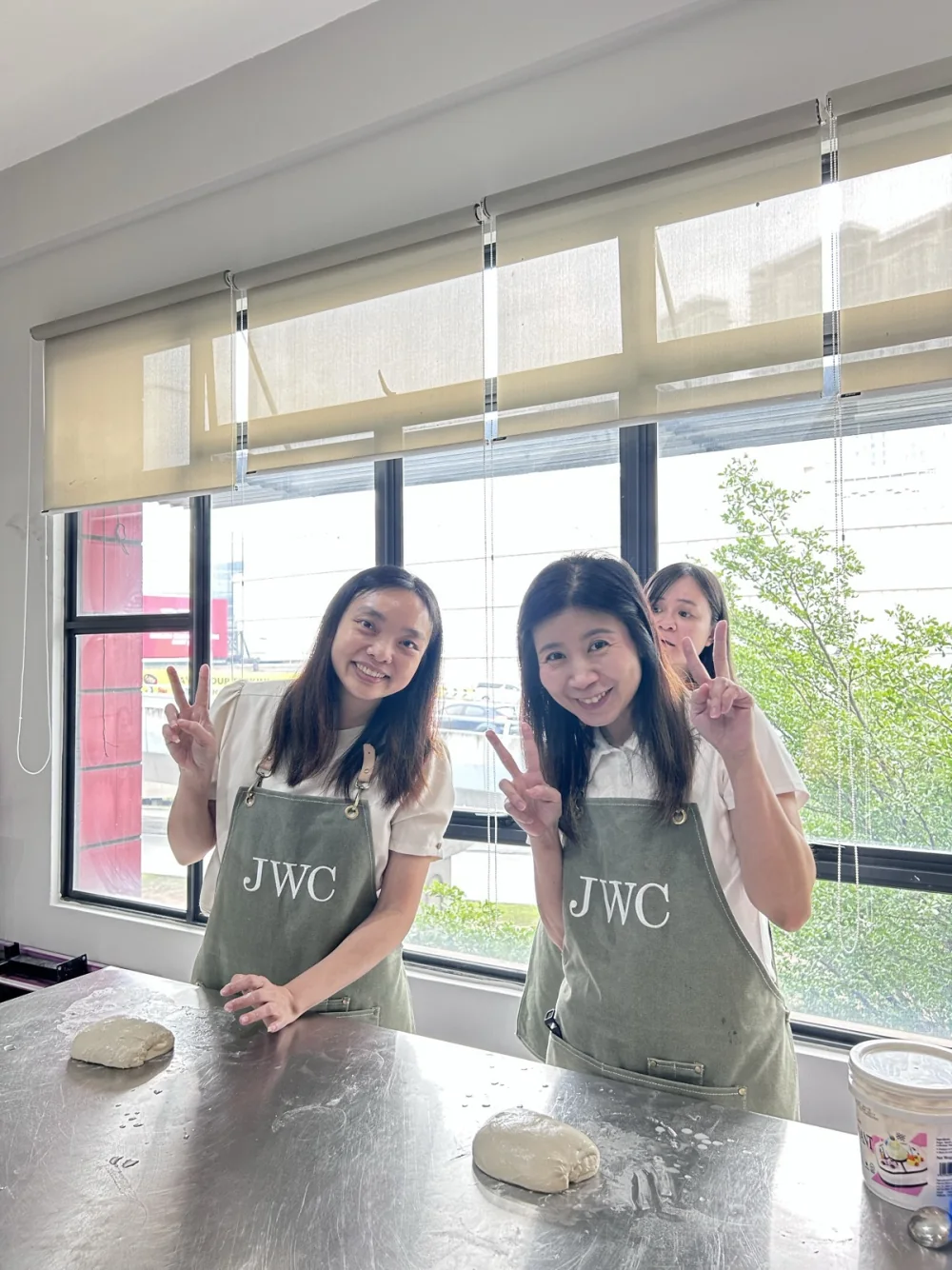
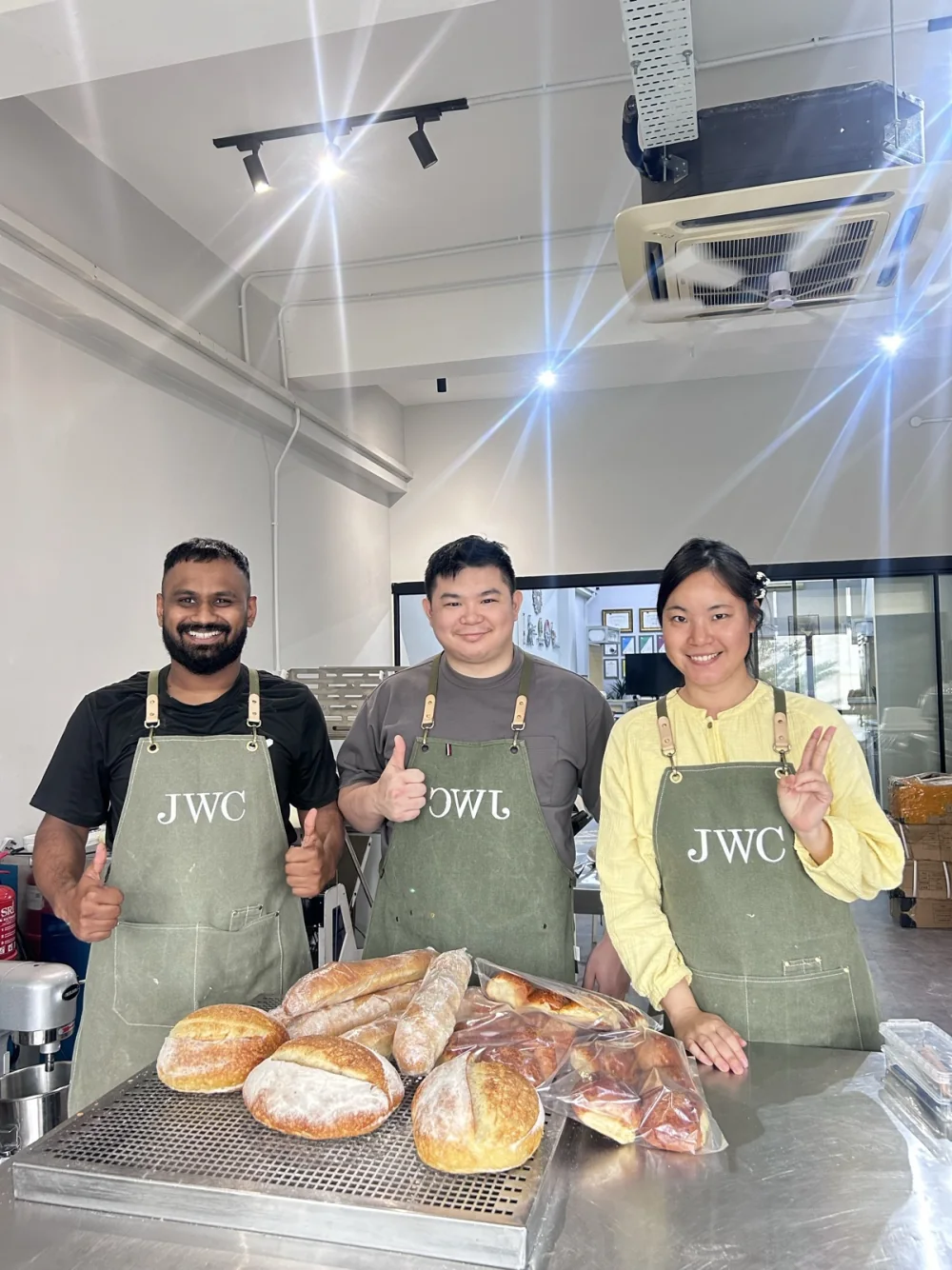
See the classroom, Siew Wei and the hands-on teaching format.
Currently published intake · October 2026
The October 2026 intake and Saturday pattern are public; the first lesson and complete eight dates are not yet confirmed for publication.
Reconfirm the current fee, first lesson and all eight dates before payment.

Bukit Jalil · Kuala Lumpur
JWC Academy, The Earth
22-2, Jln Jalil 1, The Earth @ Bukit Jalil, 57000 Kuala Lumpur
Published intake
October 2026
Saturdays · 9:30am–1:30pm
Not yet confirmed for publication. Obtain the complete schedule from JWC before paying.
Official DOKU payment options
8 lessons · 32 hands-on hours
Materials, tools and equipment included
Live guidance from Siew Wei
Both buttons open JWC Academy's official DOKU payment pages.
Check the confirmed basics on experience level, schedule, materials, the RM3,599 full fee and RM300 non-refundable booking deposit.
Yes. JWC Academy’s official BWC information describes the course as beginner-friendly and starts with foundational dough theory.
No. Classroom materials, tools and teaching equipment are included in the course arrangement.
The English class runs on Saturdays, 9:30am–1:30pm. Reconfirm the first lesson and complete eight-date schedule before payment.
The connected path develops dough observation, fermentation judgement, shaping, lamination and baking decisions from bagels through sourdough.
The confirmed full course fee is RM3,599. You may pay in full through JWC Academy's official DOKU payment page.
RM300 is the non-refundable booking deposit. Use the official DOKU deposit page when you prefer to secure the booking without paying the RM3,599 full fee immediately.